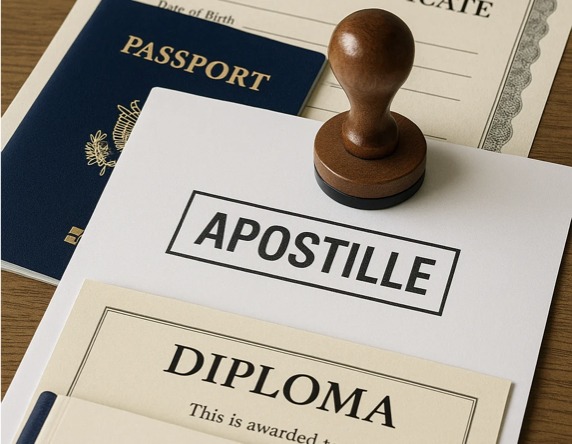
If you plan to use an important document in another country, you may be asked to obtain an apostille. Many people first hear the word “apostille” when they are preparing to move abroad, study overseas, get married in another country, or apply for dual citizenship. Although the process can seem confusing at first, an apostille serves a simple purpose.
An apostille helps foreign governments trust that a document issued in one country is genuine. Without an apostille, another country may have no easy way to verify whether a document is real. In this article, we’ll explain what an apostille is, why countries require one, and when you may need one.
What Is an Apostille?
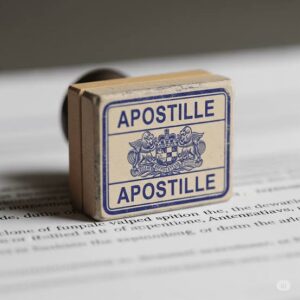
An apostille is a certificate issued by a government authority that verifies the authenticity of a public document. It confirms that the signature, seal, or stamp on the document belongs to an authorized official.
The apostille does not verify the contents of the document. Instead, it verifies that the document itself was properly issued or notarized according to the laws of the country where it originated. This allows the document to be recognized by foreign governments that participate in the Apostille Convention.
Why Was the Apostille System Created?
Before the apostille system existed, documents often had to go through a lengthy legalization process before they could be accepted internationally. This process could involve several government offices, embassies, and consulates.
To simplify international document recognition, many countries joined an agreement known as the Hague Apostille Convention. This agreement created a standardized certificate called an apostille. Today, participating countries can recognize documents from one another more efficiently.
Why Do Countries Require Apostilles?
Countries require apostilles because they need a reliable way to verify foreign documents. Government agencies, schools, employers, and courts often need proof that documents from another country are legitimate.
Without a verification system, it would be difficult to determine whether a foreign birth certificate, diploma, marriage certificate, or other official document is authentic. Apostilles help reduce fraud and create trust between governments.
What Types of Documents Need an Apostille?
Many different types of documents can require an apostille. Common examples include birth certificates, marriage certificates, death certificates, diplomas, transcripts, and FBI background checks.
Business documents may also require an apostille. These can include articles of incorporation, powers of attorney, contracts, and corporate resolutions. The specific document requirements depend on the country and the purpose for which the document will be used.
When Might You Need an Apostille?
People often need apostilles during major international life transitions. For example, someone moving abroad for work may need to apostille a diploma or background check as part of a visa application.
Other common situations include studying abroad, obtaining dual citizenship, getting married in another country, adopting a child internationally, retiring overseas, or conducting business in a foreign country. In many of these situations, official documents must be recognized by another government.
Which Countries Accept Apostilles?
More than one hundred countries participate in the Hague Apostille Convention. These countries agree to recognize apostilles issued by other member countries.
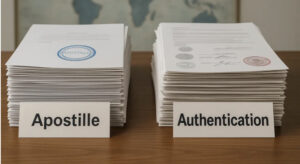
If the destination country is not a member of the convention, a different process called authentication or legalization may be required. Before preparing documents, it is important to verify the specific requirements of the country where the documents will be used.
How Do You Obtain an Apostille?
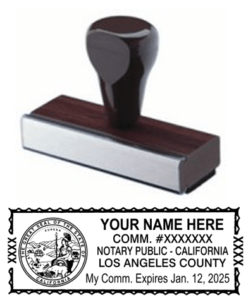
The process varies depending on the type of document and the state or country where it was issued. Some documents must first be notarized before they can receive an apostille.
In the United States, apostilles are commonly issued by the Secretary of State’s office for state documents. Federal documents, such as FBI background checks, follow a different process. Understanding the correct procedure can help avoid delays and rejected applications.
Common Mistakes People Make
One common mistake is submitting the wrong version of a document. Some countries require certified copies, while others require original documents issued within a certain timeframe.
Another mistake is waiting until the last minute. Apostille processing times can vary, and international applications often have strict deadlines. Planning ahead can make the process much smoother and reduce unnecessary stress.
Final Thoughts
An apostille is an important tool that helps documents cross international borders. It provides a standardized way for governments to recognize official documents issued in other countries.
Whether you are moving abroad, studying overseas, applying for dual citizenship, getting married internationally, or expanding a business, understanding the apostille process can save time and frustration. By preparing your documents correctly and understanding the requirements of the destination country, you can move forward with confidence.