Introduction
If you have never needed an apostille before, the process can seem confusing. You may be wondering where to begin, which documents you need, or which government office you should contact. The good news is that once you understand the basic steps, the apostille process is usually much simpler than it first appears.
Whether you are moving abroad, getting married in another country, applying for dual citizenship, studying overseas, or expanding your business internationally, understanding the apostille process can help you prepare your documents correctly. This guide walks you through the complete process in clear, simple language so you know what to expect.
Step One: Determine Whether You Need an Apostille
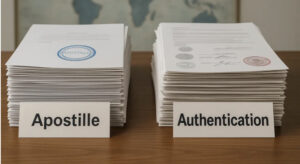
The first step is confirming that an apostille is actually required. Many countries accept apostilles because they are members of the Hague Apostille Convention. If the country where you will use your document participates in the convention, an apostille is often the correct form of authentication.
If the destination country is not a member of the Hague Apostille Convention, you may need a different process known as authentication or legalization. Before preparing your documents, verify the requirements with the organization requesting them or consult a professional apostille service if you are unsure.
Step Two: Gather the Correct Documents
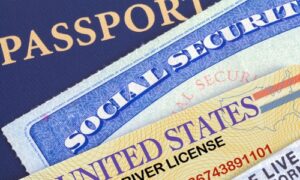
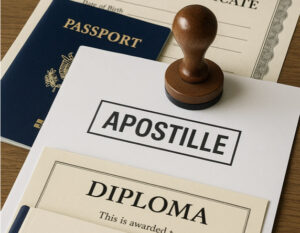
Once you know an apostille is required, the next step is collecting the documents you will need. Common examples include birth certificates, marriage certificates, diplomas, FBI background checks, powers of attorney, business records, and other official documents.
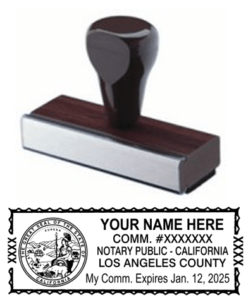
It is important to make sure you have the correct version of each document. Some documents require certified copies, while others may need to be notarized before they become eligible for an apostille. Confirming these requirements early can help you avoid unnecessary delays later in the process.
Step Three: Identify the Correct Government Office
Not every document is processed by the same government office. Most state-issued documents receive an apostille from the Secretary of State in the state where the document was originally issued. Federal documents, such as FBI background checks, generally follow a different process through the appropriate federal authority.
Many people mistakenly believe they should submit their documents based on where they currently live. In most cases, the important factor is where the document was originally issued. Sending your paperwork to the correct office from the beginning helps keep the process moving smoothly.
Step Four: Prepare and Submit Your Documents
Before submitting your documents, carefully review the instructions provided by the appropriate government office. Make sure you complete any required forms, include the correct payment, and provide accurate return shipping information if you are mailing your paperwork.
Taking time to review everything before submission can prevent common mistakes. Missing information, incorrect fees, or incomplete applications are some of the most common reasons apostille requests are delayed or returned without being completed.
Step Five: Wait for Processing and Delivery
After your documents have been submitted, the government office will review your request and issue the apostille if all requirements have been met. Processing times vary depending on the issuing authority, document type, and current workload.
If you mailed your documents, remember to include shipping time in your overall planning. Using a shipping service that offers tracking allows you to monitor your documents throughout the process and provides additional peace of mind while you wait.
Step Six: Confirm Your Documents Are Ready for International Use
Once your documents have been returned with the apostille attached, they are generally ready to be presented in the destination country. Before traveling or submitting your paperwork, review everything carefully to make sure all documents are complete and match the requirements of the receiving organization.
Some countries or organizations may also require certified translations or additional supporting documents. Taking time to verify every requirement before your appointment or application can help prevent last-minute surprises and ensure your international plans stay on schedule.
Conclusion
The apostille process may seem unfamiliar at first, but it becomes much easier when you understand each step. By confirming whether you need an apostille, gathering the correct documents, submitting them to the proper government office, and preparing everything carefully, you can avoid many of the most common delays.
Whether you are preparing documents for work, education, immigration, marriage, business, or another international opportunity, planning ahead makes the process much smoother. If you have questions or would like professional assistance, Apostille Guy is here to guide you through every step and help you prepare your documents with confidence for your next global transition.