Introduction
If you are preparing documents for use in another country, you may be wondering whether you need a notary before getting an apostille. This is one of the most common questions people ask because the answer depends on the type of document you are submitting. Understanding the difference between notarization and an apostille can help you avoid delays and complete the process correctly.
Many people assume that every document must be notarized before it can receive an apostille. In reality, some documents require notarization, while others do not. This guide explains when a notary is needed, when it is not, and how to determine the correct process for your document.
Understanding the Difference Between a Notary and an Apostille
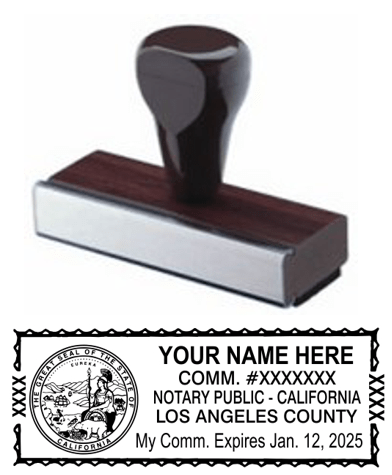
A notary public and an apostille serve two different purposes. A notary verifies the identity of the person signing a document and witnesses the signature. The notary then completes a notarial certificate to confirm that the signing took place properly.
An apostille comes later in the process. It authenticates the signature and authority of the public official who signed the document, such as a notary public or a government official. The apostille allows the document to be recognized in another country that participates in the Hague Apostille Convention.
Some Documents Do Not Need to Be Notarized
Many government-issued documents do not require notarization before receiving an apostille. These documents are already considered official records because they were issued by a government agency. In many cases, they can be submitted directly to the appropriate apostille authority.
Examples often include certified birth certificates, marriage certificates, death certificates, and divorce decrees. Because these documents are already official government records, adding a notary is usually unnecessary and may even complicate the process if the wrong version of the document is notarized.
Some Documents Must Be Notarized First
Privately prepared documents are different. Since they are not issued by a government agency, they often need to be notarized before an apostille can be issued. The notarization confirms that the signature on the document is genuine.
Common examples include powers of attorney, affidavits, letters of authorization, travel consent forms, and certain business documents. Once these documents have been properly notarized, they may become eligible for the apostille process, depending on your state’s requirements.
State Requirements May Be Different
Although the apostille process follows similar principles throughout the United States, each state has its own procedures. Some states have additional requirements for certain documents, while others may require specific wording or additional certifications before issuing an apostille.
Because of these differences, it is important to review the requirements of the state responsible for issuing the apostille. Taking a few minutes to verify the correct procedure before submitting your documents can help prevent unnecessary delays and additional expenses.
Avoid Common Mistakes During the Process
One of the most common mistakes people make is having the wrong document notarized. For example, some people mistakenly notarize a photocopy of a government-issued birth certificate when a certified copy should have been submitted directly for an apostille instead.
Another common mistake is assuming that every document follows the same process. Each document should be evaluated individually because the requirements for a diploma may differ from those for a birth certificate, an FBI background check, or a power of attorney. Understanding these differences can save both time and frustration.
When Professional Guidance Can Help
If you are preparing several documents for an international move, it can be difficult to know which ones require notarization and which do not. Working with an experienced apostille service can help you understand the correct process before you submit your paperwork.
A professional apostille service can review your documents, explain the required steps, and help reduce the chance of mistakes. Having guidance throughout the process allows you to focus on preparing for your international transition while feeling confident that your documents are being handled correctly.
Conclusion
Whether you need a notary before getting an apostille depends on the type of document you are submitting. Government-issued records often do not require notarization, while many privately prepared documents do. Knowing the difference is one of the easiest ways to avoid delays and complete the process successfully.
If you are unsure about your document requirements, it is always better to ask questions before submitting your paperwork. Whether you are preparing documents for work, education, immigration, marriage, or another international opportunity, Apostille Guy is here to help you understand the process and guide you every step of the way.