Introduction
If you are planning to move, work, study, get married, or conduct business in another country, you may be asked to provide an apostilled document. One of the most common questions people have is, “What documents can be apostilled?” Understanding which documents qualify can help you prepare for your international transition with greater confidence.
The good news is that many official documents can receive an apostille. However, the requirements vary depending on the type of document and where it was issued. In this guide, we’ll explain the most common documents that can be apostilled and what you should know before beginning the process.
Personal Vital Records
Some of the most frequently apostilled documents are personal vital records issued by government agencies. These documents are often required when applying for residency, dual citizenship, marriage abroad, or other international legal processes.
Common examples include birth certificates, marriage certificates, death certificates, and divorce decrees. These documents are usually issued by a state or local government office, and in most cases, you will need a certified copy before an apostille can be issued.
Educational Documents
Educational documents are another common category of documents that may require an apostille. Schools, universities, employers, and professional licensing organizations in other countries often request proof of your education before approving your application.
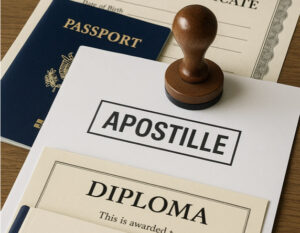
Examples include diplomas, official transcripts, degree certificates, and certain academic records. Depending on your state’s requirements, these documents may first need to be notarized or certified before they are eligible for an apostille. It is always helpful to verify the specific requirements before submitting your paperwork.
Legal and Business Documents
Many legal and business documents can also receive an apostille when they are intended for international use. Companies and individuals often need authenticated documents when expanding internationally, signing contracts, or completing legal matters in another country.
Examples include powers of attorney, articles of incorporation, corporate documents, affidavits, contracts, court documents, and business agreements. Because these documents vary widely, the required preparation may differ depending on the type of document and the state where it will be apostilled.
Background Checks and Government Documents
Government-issued documents are commonly submitted for apostilles as part of immigration, employment, and residency applications. One of the most frequently requested examples is an FBI background check, which is often required when moving or working abroad.
Other government-issued records may also qualify for an apostille depending on the circumstances. Since some documents are issued by federal agencies while others are issued by state agencies, it is important to determine which government office is responsible for issuing the apostille before beginning the process.
Notarized Documents
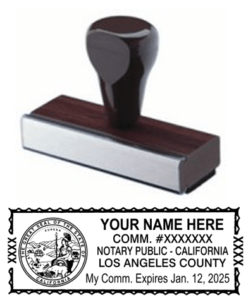
Not every document eligible for an apostille is issued directly by the government. Many privately prepared documents can also receive an apostille after they have been properly notarized by a commissioned notary public.
Examples include letters of authorization, affidavits, travel consent forms, copies of certain personal documents, and powers of attorney. The notarization helps verify the signature on the document before the apostille confirms the authenticity of the notary’s commission.
How to Confirm Whether Your Document Can Be Apostilled
If you are unsure whether your document qualifies for an apostille, the best approach is to review the requirements of the country requesting the document and the government office responsible for issuing the apostille. This can help prevent unnecessary delays and ensure that you prepare the correct version of your document.
If the process seems confusing, you do not have to figure everything out on your own. An experienced apostille service can help review your documents, explain the requirements, and guide you through the proper steps before submission. Receiving professional guidance can make the process much simpler, especially if you are preparing several documents for an international transition.
Conclusion
Many different types of documents can receive an apostille, including vital records, educational documents, legal paperwork, business records, background checks, and properly notarized documents. The exact requirements depend on the type of document, where it was issued, and the country where it will be used.
Taking the time to confirm your document requirements before beginning the process can save you valuable time and reduce unnecessary stress. Whether you are preparing for work, education, immigration, marriage, business, or another international opportunity, Apostille Guy is here to help you understand the process and confidently prepare the documents you need for your next global transition.